Dental Implants Calabasas CA for Comfortable Tooth Replacement
Losing a tooth changes more than a smile. It affects the way food feels, the way words come out, and the quiet confidence most people take for granted until it is gone. For many adults, the goal is not simply to fill a gap. It is to regain a tooth that feels stable, looks natural, and lets daily life return to normal without constant second guessing. That is why so many patients asking about Dental Implants Calabasas CA are really asking a deeper question: what is the most comfortable, dependable way to replace a missing tooth?
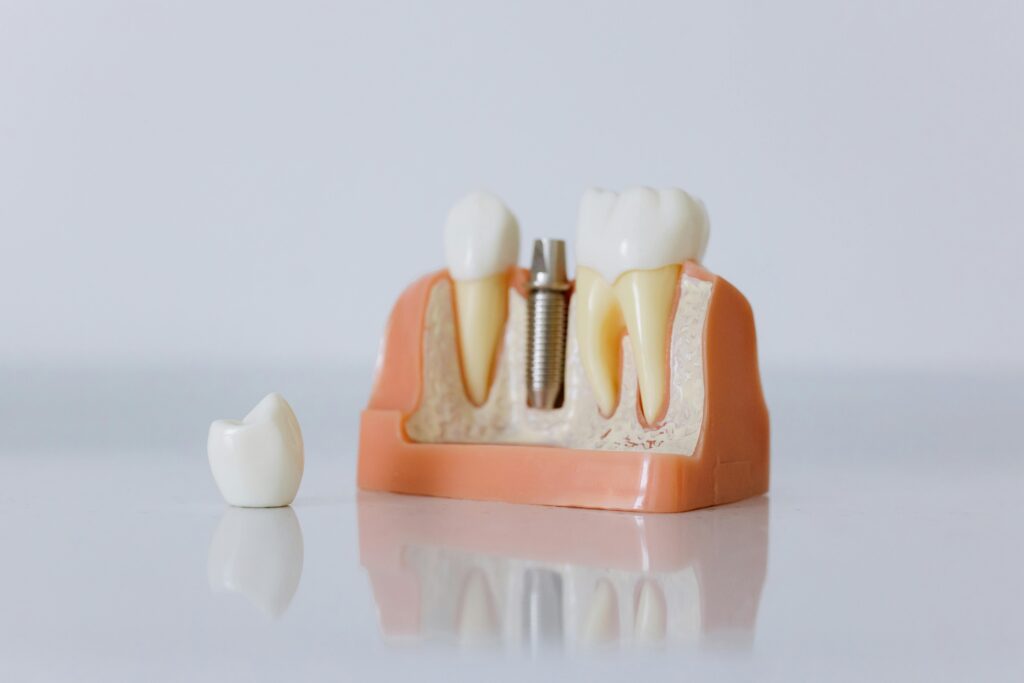
Dental implants have earned their reputation because they do something bridges and removable dentures cannot fully replicate. They replace the root as well as the visible crown. That matters for comfort. When a restoration is anchored within the jawbone, chewing tends to feel more secure, pressure is distributed more naturally, and there is no removable appliance shifting against the gums. Patients often describe the change in simple terms. Food feels normal again. They stop thinking about the missing tooth. They laugh without covering their mouth.
That said, implants are not a one size fits all answer. The right treatment depends on bone quality, gum health, bite forces, medical history, and expectations. Good implant dentistry is less about selling a product and more about matching the solution to the person.
Why implants feel different from other replacements
A traditional bridge rests on neighboring teeth. A removable partial sits on the gums and may use clasps or attachments for support. Both can work well in the right case. Implants, however, behave differently because they become integrated with bone over time through a process called osseointegration.
From a patient’s perspective, this often translates into a more grounded sensation. There is no plate covering the roof of the mouth, no adhesive, and no removable part to take out at night. When the implant is well planned and restored properly, the replacement tooth emerges through the gums much like a natural tooth. That design is part of what makes it comfortable.
Comfort also comes from preserving what is already there. If a single tooth is missing, an implant usually allows the neighboring teeth to remain untouched. A bridge may require reshaping healthy adjacent teeth to support crowns. That can be an excellent option in some situations, especially when timing, bone volume, or budget point away from an implant, but it is still a trade off.
Another overlooked factor is bone maintenance. When a tooth root is lost, the jawbone in that area tends to shrink over time. Implants help stimulate bone in a way removable options do not. Patients rarely come in asking about bone resorption, but they do care when a denture feels looser year after year or when the gum ridge changes shape. Preventing those downstream issues is part of what makes implants attractive.
What “comfortable” really means in implant treatment
Comfort starts long before the actual procedure. It begins with planning. A thorough exam, digital imaging, and a realistic conversation about timelines make a major difference. Anxiety often comes from uncertainty more than from the treatment itself.
For most straightforward single implant cases, patients are surprised by how manageable the procedure feels. Local anesthesia is usually enough, and many offices also offer oral sedation or other comfort measures for nervous patients. During the appointment, the area is numb and pressure is more common than pain. Afterward, discomfort is often described as milder than expected, frequently less troublesome than a difficult tooth extraction.
There are, however, situations that deserve a more careful explanation. If bone grafting is needed, if the sinus is close to the implant site in the upper back jaw, or if multiple implants are being placed at once, recovery may be more involved. Not severe for most people, but not trivial either. Good clinicians do not oversell a “painless” experience. They explain what is likely, what is possible, and how to prepare.
Practical comfort also includes the design of the final restoration. A crown that looks beautiful but traps food is not a comfortable success. An implant that is integrated but placed at the wrong angle may create a bulky or hard to clean result. The technical details matter. Small decisions in spacing, bite adjustment, and contouring often determine whether the tooth disappears into daily life or keeps drawing attention to itself.
Who tends to be a good candidate
Most healthy adults can at least be evaluated for implants, but candidacy is not just about wanting one. The jaw needs enough bone in the right dimensions, the gums should be reasonably healthy, and uncontrolled habits such as heavy smoking or severe teeth grinding need to be addressed honestly.
Some of the strongest candidates are people missing a single tooth with healthy neighboring teeth. In those cases, the implant solves a focused problem without sacrificing surrounding tooth structure. Adults who struggle with a loose lower denture can also benefit tremendously from implants. Even two implants can make a lower denture feel more stable and less frustrating.
Medical history matters. Diabetes that is not well controlled can slow healing. Certain medications, prior radiation therapy to the jaws, or immune conditions may complicate treatment. None of these automatically rule implants out, but they do change the discussion. This is where experience shows. A careful dentist or specialist does not simply ask, “Can I place an implant?” The better question is, “Can I place one that has a strong chance of long term success and a comfortable outcome?”
The evaluation process in a well run practice
The best implant consultations are specific. They do not rely on generic promises. A patient should come away understanding the condition of the missing tooth site, the quality of the bone, the expected sequence of treatment, and where the uncertainties lie.
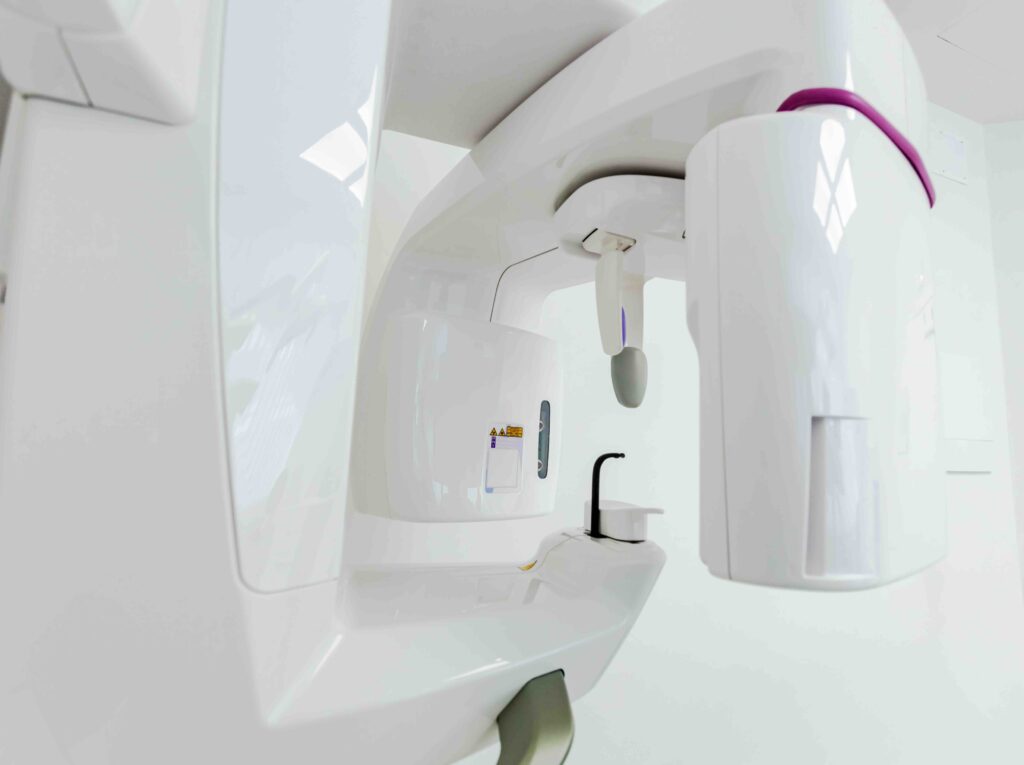
In many cases, a three dimensional scan helps reveal details that a standard X ray cannot fully show. Bone width, nerve location, sinus position, and angulation all become clearer. This is especially helpful in posterior areas, where space may be tight and anatomy less forgiving. In the front of the mouth, the scan and exam also guide esthetic planning, because a millimeter or two can affect the final smile.
A strong consultation usually covers a few essentials:
- Whether the site has enough bone now or may need grafting
- How long the process is likely to take from placement to final crown
- What type of temporary solution will be used during healing
- The likely maintenance needs after treatment
- The alternatives, including doing nothing, a bridge, or a removable option
Patients appreciate that last point. Not every dentist gives equal attention to alternatives, but it matters. Sometimes a bridge is the most sensible path. Sometimes a partial denture is a short term step while a patient plans for future implants. Treatment should fit the person, not the other way around.
Single tooth implants, multiple teeth, and full arch solutions
The phrase “dental implants” covers several different treatments, and comfort can mean different things depending on the situation.
A single missing tooth is the simplest concept for most people to picture. One implant, one connector, one crown. When the site has healed well and the bone is adequate, this can be one of the most satisfying treatments in dentistry. Patients often say it feels like they “got the tooth back,” which is high praise in a field where many restorations still feel like substitutes.
When several teeth are missing, implants can support a bridge without requiring an implant for every single tooth. This can be a smart balance between function, cost, and surgical complexity. The spacing has to be planned carefully, especially in areas that take heavy chewing loads.
For patients missing all or most of the teeth in an arch, implants can support a removable overdenture or a fixed full arch bridge. These are very different experiences. An overdenture snaps onto implants and can be removed for cleaning. A fixed option stays in place and is removed only by the dental team during maintenance visits. Both can be life changing, but the right choice depends on dexterity, hygiene habits, budget, and anatomy.
It is common for patients to assume fixed is always better. That is not universally true. A removable implant overdenture can be more affordable, easier to clean for some individuals, and more practical when lip support or soft tissue replacement is needed. Comfort is not only about permanence. It is also about usability.
Timing, healing, and what the calendar really looks like
One source of frustration in implant treatment is the timeline. People often imagine a quick replacement, and sometimes that is possible. In select cases, an implant can be placed the same day a tooth is removed. Under the right conditions, a temporary tooth may even be attached quickly. Those cases can be excellent, but they depend on infection control, bone stability, bite forces, and esthetic considerations.
More often, treatment unfolds in stages. If a tooth has been missing for a while and the bone has shrunk, grafting may come first. If a tooth has just been extracted and there is active infection or tissue damage, healing time may be recommended before implant placement. After placement, many implants need a healing period of several months before the final crown is made.
Patients generally do well when they know this from the beginning. Most can handle a longer process if they understand why it protects the result. The discomfort from waiting is usually emotional, not physical. No one loves a temporary solution, especially in a visible area, but a well paced treatment plan often creates the most stable and esthetic outcome.
Bone grafting sounds intimidating, but it is often routine
The words “bone graft” can stop a patient in their tracks. It sounds serious, and sometimes it is a more advanced part of care. Still, in many implant cases, grafting is simply a way to rebuild a site that has lost volume after extraction or long term tooth loss.
Small grafts at the time of extraction are common. Their purpose is often preventive, to reduce collapse of the socket and preserve options for the future. Larger grafts may be needed when the ridge is too narrow or too short to support an implant predictably. In the upper back jaw, a sinus lift may be considered if there is not enough height beneath the sinus.
Recovery varies with the extent of the graft. A modest socket preservation procedure may create only minor soreness. More extensive grafting can involve swelling and a longer healing period. Good communication is critical here. Patients handle complexity much better when the team explains not only what is being done, but why it improves the comfort and longevity of the final tooth replacement.
The cost conversation patients actually need
Implants are an investment. There is no value in pretending otherwise. But the cost discussion should be broader than the implant fixture alone. It may include extraction, grafting, imaging, surgical placement, healing abutments, the final abutment, the crown, and future maintenance.
That does not mean implants are automatically the most expensive choice over time. A bridge may have a lower initial fee, but it can involve future work on the supporting teeth. A removable partial may cost less up front, but some patients find the trade off in comfort and function hard to accept. The point is not to claim implants are always cheaper. Often they are not. The point is to compare full value, not just the first number on a treatment estimate.
Patients in Calabasas often want durable care that fits active, professional lives. They do not want a restoration that demands constant attention during meetings, dinners, travel, or exercise. When discussing Dental Implants Calabasas CA, the comfort question naturally blends into a lifestyle question. What will let this person eat confidently, speak clearly, and stop thinking about the missing tooth? That answer has value beyond the procedure itself.
Daily life after treatment
Once the implant has integrated and the final crown is placed, the day to day routine is usually straightforward. Most single implant restorations are cared for much like natural teeth, with brushing, flossing or other interdental cleaning, and regular professional checkups. Full arch cases may require different tools and more instruction, especially under a fixed bridge where plaque can collect around the implant connections.
Patients who expect implants to be maintenance free are the ones most likely to run into trouble. Implants do not Dental Implants Calabasas CA decay, but the surrounding tissues can still become inflamed. Peri implant disease is real, and it can threaten bone support if neglected. This is one Dental Implants Calabasas CA reason precise fit and cleanable contours matter so much. A beautiful implant crown that is difficult to maintain can turn into an avoidable problem.
A few practical habits improve long term comfort and success:
- Keep regular hygiene visits and have the implant checked as part of routine care
- Use the cleaning method recommended for the specific implant restoration
- Report bite changes, looseness, or food trapping early rather than waiting
- Wear a night guard if clenching or grinding is part of the picture
- Avoid assuming the implant is indestructible just because it feels solid
That last point comes up more than you might think. People sometimes treat an implant crown as if it were immune to force because it is anchored in bone. In reality, the surrounding bone and the restoration still need protection, especially in patients with strong bite forces.
Choosing the right provider in Calabasas
Patients often ask whether they should see a general dentist, a periodontist, or an oral surgeon. The honest answer is that it depends on the case and on the training of the clinician. Many general dentists place and restore implants very well, especially in straightforward cases. Specialists are often involved when anatomy is complex, grafting is extensive, or surgical risk is higher. In many excellent practices, treatment is collaborative, with one provider handling surgery and another handling the final restoration.
What matters most is not the title alone. It is the quality of diagnosis, planning, execution, and follow through. A provider should be able to explain why an implant is appropriate, what the limitations are, what the alternatives would achieve, and how the final restoration will be maintained. If those answers feel vague, that is worth noticing.
Calabasas patients tend to value careful, personalized care, and rightly so. Implant dentistry works best when the process is not rushed. A well done implant should look unremarkable in the best possible sense. It should blend into the smile, function without fuss, and stop being a topic in the patient’s mind.
When an implant may not be the best answer right now
There are times when the most responsible recommendation is to pause. Active gum disease, poor oral hygiene, uncontrolled medical conditions, or heavy smoking can reduce the predictability of treatment. Sometimes the issue is not health but expectations. If a patient wants an immediate fixed tooth in a situation where bone support is weak or gum esthetics are highly demanding, a staged approach may be wiser.
There are also anatomical and financial realities to respect. A site may need more reconstruction than the patient wants to undertake. Another person may do better with a bridge because the adjacent teeth already need crowns. Someone else may choose a removable solution for now and revisit implants later. Those are not failures. They are examples of treatment planning grounded in real life.
The best implant decisions are rarely the flashiest ones. They are the ones that hold up years later, when the gum tissue is healthy, the bite still feels right, and the patient has largely forgotten there was ever a problem to solve.
For people researching Dental Implants Calabasas CA, that is the central promise of implant care when it is done thoughtfully: not hype, not perfection, but comfort you can rely on. A secure bite, natural appearance, healthy surrounding tissue, and a replacement tooth that fits daily life with very little drama. That is what most patients are actually looking for, and it is what careful implant treatment is meant to deliver.
Oaks Dental
5000 Parkway Calabasas, Suite 308
Calabasas, CA 91302, United States
Phone: +1 (818) 412-8349
FAQ About Dental Implants Calabasas CA
How much does a dental implant cost in California?
Costs vary with the number of teeth replaced, restoration type, imaging, and any extractions or bone grafting. Request an itemized estimate after an examination; a single advertised price may not include every treatment stage.
Can people with autoimmune disease get dental implants?
Some people may qualify, but the condition, medications, oral health, and healing risks require individual assessment. Share your medical history with your dentist, who may coordinate with your treating physician.
Can you have dental implants if you have osteopenia?
Osteopenia does not by itself establish whether implants are suitable. Your dentist must evaluate jawbone support and review bone-related medications and other risks before recommending treatment.