Veneers Calabasas CA: Tips for Choosing the Right Cosmetic Dentist

A beautiful smile can change the way a person speaks, laughs, and carries themselves. Veneers often sit at the center of that transformation because they can correct several cosmetic concerns at once, including worn edges, uneven shapes, discoloration that resists whitening, and small gaps. But veneers are not a product you simply buy. They are a treatment designed, prepared, and bonded by a dentist whose judgment matters at every step.
That point becomes especially important in a place like Calabasas, where expectations around appearance are high and patients often have many providers to choose from. A polished website or a stylish office can create a strong first impression, but veneers are still a clinical procedure. The best cosmetic result usually comes from a dentist who combines technical precision with restraint, communication, and an honest sense of what fits your face.
If you are researching Veneers Calabasas CA, the real question is not just who offers veneers. Many dentists do. The better question is who can deliver veneers that look convincing in daylight, feel natural when you bite, and still make sense for your oral health five or ten years from now.
Veneers are simple on the surface, not in practice
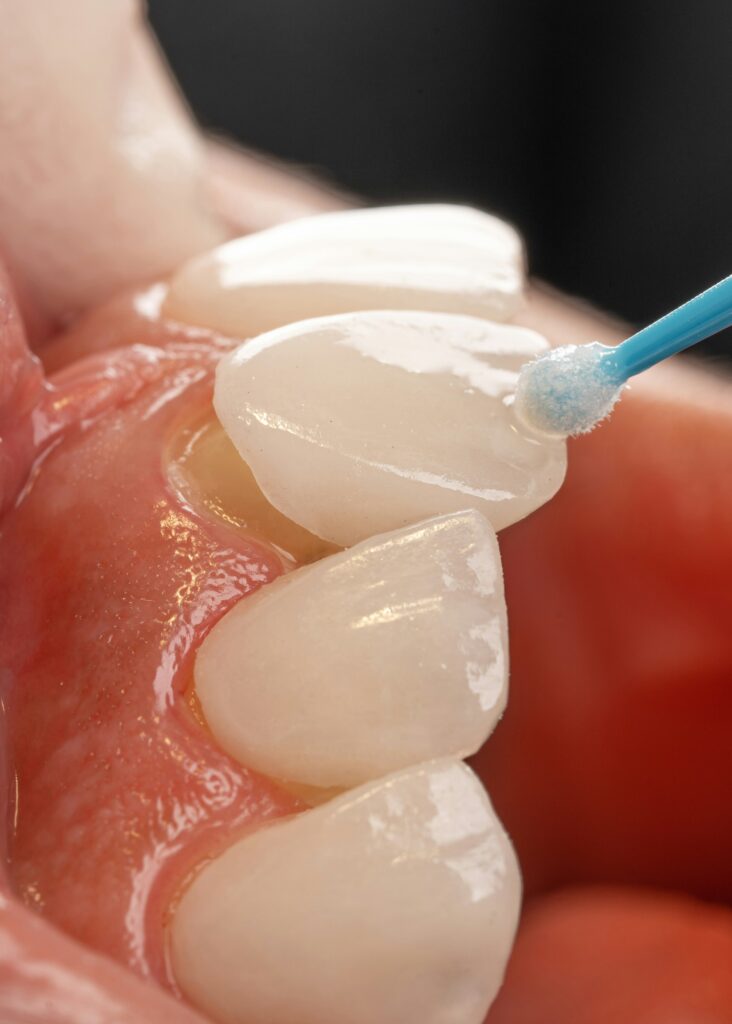
Porcelain veneers are thin shells placed on the front of teeth to improve their appearance. That definition sounds straightforward, and in the right hands it can be a very elegant treatment. What many patients do not realize at first is how much decision-making happens before the porcelain is ever made.
A dentist has to evaluate whether veneers are appropriate at all. Some people are excellent candidates. Others actually need orthodontics first, or bonding, whitening, gum treatment, or a more conservative plan. Then there is the design phase. Small choices about tooth length, edge translucency, shape, width, and brightness can make the difference between a smile that looks refreshed and one that looks obviously dental.
I have seen cases where patients came in wanting eight or ten veneers because they assumed that was the standard cosmetic route. After a proper consultation, the best plan was sometimes four veneers and whitening. In other cases, the patient wanted the brightest shade available, only to realize during mock-up that it looked disconnected from their complexion and the whites of their eyes. The right dentist guides those decisions instead of simply taking an order.
Why choosing the dentist matters more than choosing the material
Patients often ask whether a dentist uses “the best porcelain,” as if the material alone determines the outcome. Good laboratories and ceramics do matter. Still, veneers succeed or fail first on diagnosis, treatment planning, preparation style, bite analysis, and communication between the dentist, patient, and lab.
Two dentists can use the same lab and the same ceramic system and produce very different results. One set of veneers may appear balanced, age-appropriate, and lifelike. Another may look flat, bulky, over-contoured, or too opaque. The difference usually traces back to the dentist’s aesthetic eye and clinical discipline.
The dentist is also the one responsible for preserving tooth structure whenever possible. That matters. Veneers are less invasive than crowns, but they are not always reversible in a practical sense, especially if enamel is removed. A careful cosmetic dentist respects that reality and does not prepare more tooth than necessary just to make the case easier.
Start by looking for a cosmetic philosophy, not just a service menu
A lot of dental websites list veneers, whitening, bonding, Invisalign, implants, and smile makeovers on the same page. That tells you what the office offers. It does not tell you how they think.
When you begin narrowing your options for Veneers Calabasas CA, pay attention to the dentist’s cosmetic philosophy. Some dentists favor a dramatic, camera-ready smile with brighter shades and more uniform contours. Others specialize in subtle work that keeps natural asymmetries and age-appropriate texture. Neither approach is automatically wrong, but one may fit you much better than the other.
The best providers can usually work across styles, yet they still tend to have a recognizable standard of care. Their results look intentional. The teeth suit the patient’s face, lip movement, and personality rather than looking copied from a template. That is what you want to identify early.
One helpful way to do this is to study before-and-after cases with restraint. Do not just look for dramatic transformations. Look for close-up images where the gums look healthy, the proportions seem believable, and the veneers do not appear bulky from the side. If every after photo is extremely white and uniformly square, that tells you something about the office’s aesthetic defaults.
Pay close attention to the consultation
The consultation often tells you more than the marketing does. A strong cosmetic consultation is part interview, part examination, and part design conversation. It should not feel rushed, and it should not begin with the assumption that veneers are definitely the answer.
A good cosmetic dentist asks what bothers you specifically. Some patients hate a single dark tooth. Others feel their smile is too narrow in photos. Some are https://cruzaszp701.fotosdefrases.com/veneers-calabasas-ca-and-your-dream-smile-timeline bothered by chips, while others mainly want a more even shade. These are not minor distinctions. They shape the treatment plan.
The dentist should also look at your bite, enamel quality, gum levels, facial symmetry, and the way your lips frame your teeth when you speak and smile. If an office focuses only on a quick visual scan and jumps straight to price per tooth, that is a warning sign. Veneers are not paint. They become part of a functioning bite.
A thoughtful consultation usually includes honest trade-offs. For example, if you have significant crowding, veneers may create a nice appearance but require more preparation than orthodontics first would. If you grind your teeth, the dentist should discuss the added risk of chipping and the likely need for a night guard. If you want a very bright result, the dentist should explain how that may affect realism.
Questions worth asking before you commit
You do not need to arrive sounding like a dental professional, but a few direct questions can reveal a great deal about the provider’s experience and process.
- How often do you do veneer cases, and what types of cases are most common in your practice?
- Will you show photos of your own veneer cases, including results that are natural rather than extremely white?
- How much tooth reduction do you typically need, and when can you do minimal-prep or no-prep veneers?
- Do you create a mock-up or temporary version so I can preview shape and length before the final veneers are made?
- What is your approach if my bite, grinding, or gum health could affect long-term success?
These questions work because they move the conversation beyond sales language. They help you understand whether the dentist customizes treatment or follows the same pattern for everyone.
Experience matters, but not in the way patients sometimes assume
Years in practice can be helpful, but longevity alone does not guarantee cosmetic skill. A dentist may have been practicing for decades and still approach veneers with an older, more aggressive preparation style or a dated aesthetic. On the other hand, a newer dentist may have advanced cosmetic training and excellent mentorship, but less experience handling complex bite issues or revisions.
What tends to matter most is a combination of focused experience, continuing education, and consistency of results. Veneers sit at the intersection of artistry and dentistry. The dentist should understand occlusion, materials, bonding, smile design, and communication with the ceramist. Ideally, they also know when not to use veneers.
This comes up often in edge cases. Take a patient with short teeth from grinding and clenching. Veneers may improve appearance, but if the bite is unstable and the habits remain unmanaged, the final restorations are under stress from day one. An experienced cosmetic dentist sees the bigger picture and builds a plan around it.
Minimal prep sounds appealing, but it is not always the right goal
“Minimal prep” and “no prep” veneers are attractive phrases because they suggest less drilling and more tooth preservation. Sometimes they are absolutely appropriate. If a patient has small teeth, spaces between teeth, or slight inward positioning, conservative veneers can be beautiful and sensible.
But minimal prep is not always synonymous with better treatment. In some cases, forcing veneers onto already prominent teeth without enough reduction can create an overbuilt look. The smile may appear thick, the lips may sit differently, and the result can look less natural than a carefully prepared veneer.
A skilled dentist explains this without overselling either direction. The goal is not to remove as much tooth as possible, and it is not to avoid reduction at all costs. The goal is to create enough space for the material to look natural while preserving enamel whenever feasible.
Look for a process that includes planning, not just placement
Some of the best veneer cases are built slowly. That may sound frustrating if you want quick results, but it usually protects you from expensive regret.
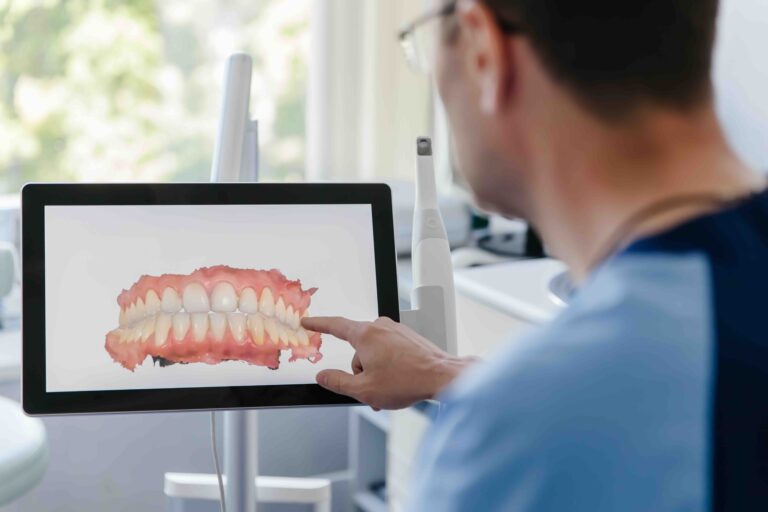
Digital photography, impressions or scans, bite records, wax-ups, and temporary veneers or trial smiles can all play a role. Not every case needs every tool, but some form of preview is valuable. Seeing a proposed shape in your own mouth often changes the conversation in a productive way. A patient who thought they wanted much longer teeth may realize they prefer only a slight increase. Another may discover that the midline asymmetry they worried about is not actually noticeable once color and shape are improved.
Temporary veneers can be especially revealing. They let you test function and appearance before the final porcelain is bonded. If a dentist dismisses this stage entirely for a substantial cosmetic case, ask why. There may be a reason, but you want to hear it.
The laboratory partnership is part of the result
Great veneer work is rarely a solo act. The dental laboratory, and often the individual ceramist, influences texture, translucency, layering, and overall character. A dentist who does a high level of cosmetic work usually has a close relationship with a trusted lab and can explain how they communicate shade, shape, and patient preferences.
This does not mean you need to know the technical details of feldspathic porcelain versus lithium disilicate in every case. It does mean you should feel confident that the dentist is not sending minimal information to a generic lab and hoping for the best.
If the case is visible and highly customized, some offices even coordinate direct communication with the ceramist or schedule an in-person shade appointment. That level of collaboration can be valuable, especially if matching adjacent natural teeth is critical.
Be careful with price shopping
Cost matters. Veneers are a meaningful investment, and fees in Calabasas can vary. Still, this is one area where the cheapest option often becomes the most expensive in the long run.
Low pricing may reflect shortcuts in planning, lab quality, prep design, or appointment time. Veneers that chip early, feel bulky, irritate the gums, or look unnatural may need replacement far sooner than expected. Revision work can be complicated because the next dentist has to deal with altered tooth structure and the limitations created by the first treatment.
At the same time, the highest fee in town does not automatically guarantee excellence. A luxury office may charge premium rates for branding, location, and amenities. Those things are pleasant, but they are not the same as clinical quality. What you are really looking for is value, meaning a fee that aligns with the dentist’s expertise, materials, planning process, and track record.
If you receive a treatment quote, ask what it includes. Does it cover records, temporaries, follow-up adjustments, and a night guard if needed? Is gum contouring extra? Are revisions billed separately if you want changes during the design phase? Clear financial communication is part of professionalism.
Natural-looking veneers usually share a few traits
Patients often say they want veneers that “don’t look fake,” but that phrase means different things to different people. In practice, natural-looking veneers tend to have balance rather than perfection. They reflect light in a way that resembles enamel. They fit the face. They do not look thick at the gumline. They allow for subtle variation instead of making every tooth identical.
That does not mean they need to be dull or understated. Beautiful veneers can still be bright and polished. The key is that brightness, shape, and texture are used with judgment. A dentist with a refined cosmetic eye knows when to soften corners, when to preserve a little asymmetry, and when a patient’s requested whiteness is likely to age poorly.
A common mistake is chasing social-media smiles without considering real life. What photographs well under studio lighting can look harsh in daylight or from conversational distance. If the dentist talks openly about this, take that as a good sign.
Red flags patients miss
Sometimes the warning signs are subtle. A dentist may be personable and the office may run smoothly, yet the veneer process itself still raises concerns.
One red flag is pressure. If you feel pushed toward a large number of veneers without a clear rationale, slow down. Another is vagueness. If the provider cannot explain why veneers are preferable to bonding, whitening, or orthodontics in your case, that matters. Another issue is sameness. If every smile shown in the gallery looks nearly identical regardless of the patient, personalization may not be a priority.
Watch for clinical shortcuts too. Healthy gums are essential for attractive veneers, so any office willing to proceed despite active inflammation or unresolved periodontal problems is not putting the foundation first. The same applies if obvious grinding or bite issues are brushed aside.
A final red flag is defensiveness. Good cosmetic dentists are usually comfortable discussing limitations, maintenance, and possible complications. They do not promise perfection. They explain what can be improved, what cannot, and what level of upkeep the result will require.
Maintenance should be part of the decision, not an afterthought
Veneers are durable, especially porcelain veneers, but they are not lifetime devices in the absolute sense. They can last many years with good care, and some last well over a decade, yet they still live in a real mouth under real forces. Gum recession, edge wear, accidental trauma, clenching, and changes in surrounding teeth can all affect longevity.
That is why aftercare matters. A custom night guard may be essential if you grind. Regular professional cleanings help protect the margins and surrounding gum tissue. Habits like opening packages with your teeth or chewing ice are just as unwise with veneers as they are with natural teeth.
The dentist you choose should talk about these practical issues early. If maintenance is never mentioned, you are not hearing the full story.
What a strong decision usually feels like
Patients often expect a dramatic “yes, this is the one” moment when choosing a cosmetic dentist. Sometimes that happens. More often, the best choice simply feels clear after you compare a few consultations.
You understand the treatment plan. The dentist answers questions directly. The before-and-after work looks consistent. The proposed smile feels tailored to you rather than copied from a trend. The office explains fees and timing without haze or pressure. Most important, the provider demonstrates judgment, not just enthusiasm.
That sense of confidence is worth listening to. Veneers can be transformative, but only when the clinical side and the aesthetic side are handled with equal care.
Making the right choice in Calabasas
Finding the right provider for Veneers Calabasas CA takes more than searching by proximity or price. It requires a close look at how the dentist diagnoses, plans, designs, and communicates. Veneers are part medicine, part craftsmanship, and part psychology. They affect how you look, but also how you feel when you talk, smile, and meet people face to face.
A dentist who respects tooth structure, evaluates bite and gum health, uses previews or temporaries thoughtfully, and creates smiles that match the patient rather than the trend is usually worth the extra time to find. If you approach the process carefully, ask good questions, and pay attention to both results and reasoning, you are far more likely to end up with Veneers that feel like an upgrade to your own smile, not a mask placed over it.
Oaks Dental
Address: 5000 Parkway Calabasas Ste 308, Calabasas, CA 91302
Phone number: +18184312000
FAQ About Veneers Calabasas CA
How much do veneers actually cost?
In the United States, dental veneers generally cost between $250 and $2,500 per tooth, while a full set typically runs anywhere from $6,000 to $25,000. Because the procedure is classified as cosmetic and elective, dental insurance almost never covers it.
How long do dental veneers last?
Dental veneers last a long time, but they are not permanent. They mainly depend on two key types: porcelain veneers and composite veneers. On average, porcelain types last 10 to 15 years, while composite types last 5 to 7 years before they need a fix or a new set.
What is the downside of having veneers?
The main downsides of dental veneers are that the process is permanent, they can cause tooth sensitivity, and they are costly to replace.