What to Expect at Every Stage of Dental Implant Treatment
Losing a tooth changes more than a smile. It affects chewing, speech, bite balance, and often confidence in ways people do not anticipate until they are living with the gap. Dental Implants have become a reliable way to replace missing teeth because they address the root as well as the crown, which matters for stability and long-term bone support. Even so, many patients begin the process with only a vague idea of what treatment actually involves. They know an implant replaces a tooth, but not how many appointments it usually takes, what healing feels like, or why the timeline can vary so much from one person to another.
The most useful way to understand implant treatment is to think of it as a series of stages rather than one procedure. For some patients, the path is straightforward. A tooth comes out, an implant is placed, healing goes well, and the final crown follows. For others, there are extra steps, such as bone grafting, gum treatment, or a longer healing phase because of anatomy, medical history, or how long the tooth has been missing. None of that means something has gone wrong. It simply reflects that implant care is personalized, and good treatment planning respects biology instead of rushing past it.
The first appointment is more about planning than drilling
People often assume the initial visit is procedural, but the consultation is where much of the important work happens. A dentist or implant surgeon will review your medical history, medications, gum health, bite, and the condition of the missing tooth area. If you have diabetes, smoke, grind your teeth, or take certain medications that affect bone metabolism, those details matter. They do not automatically rule out treatment, but they can influence timing, healing expectations, and how carefully risk is managed.
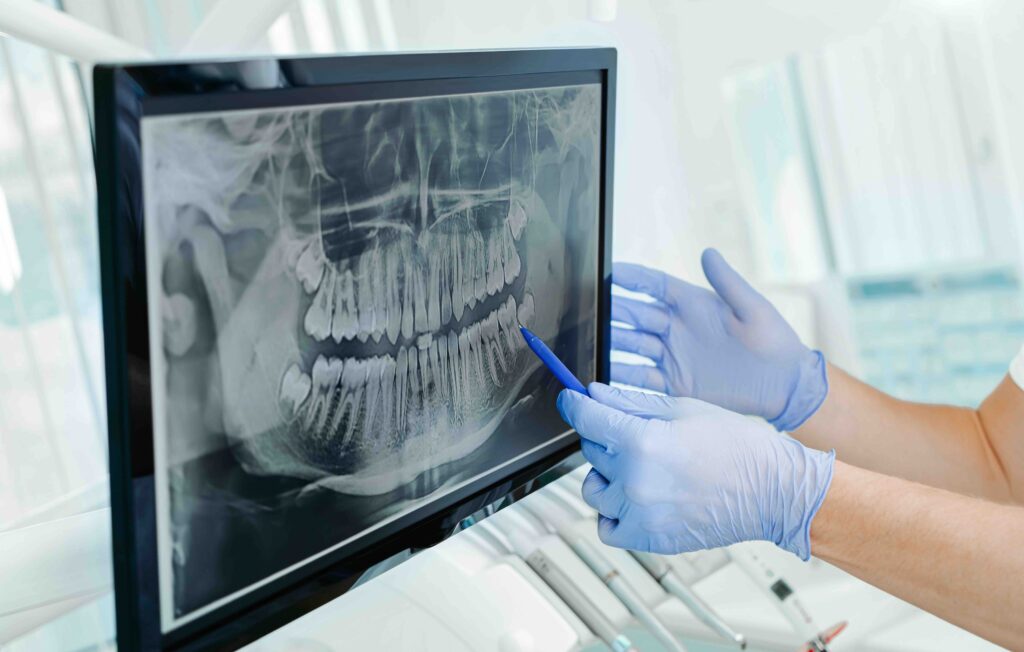
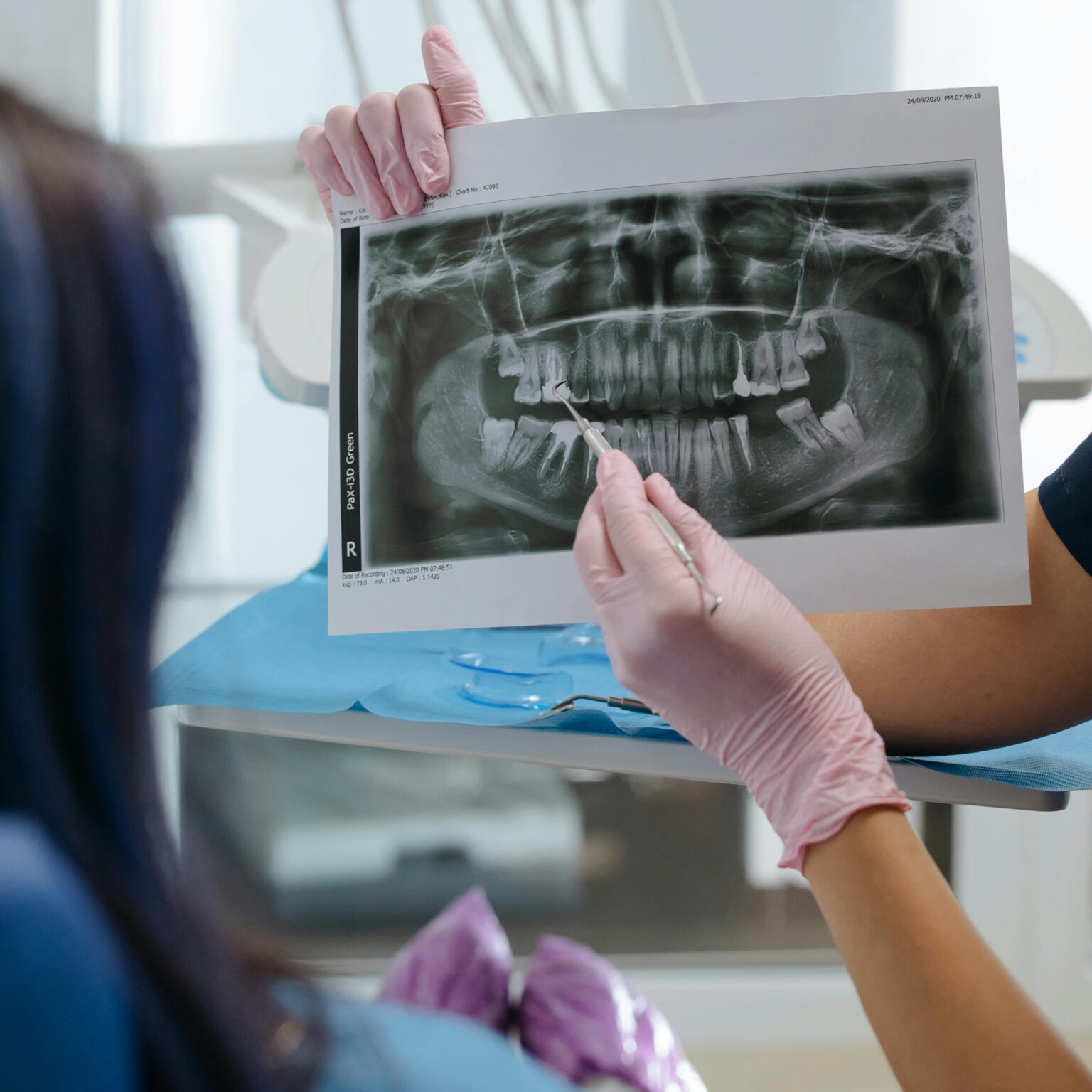
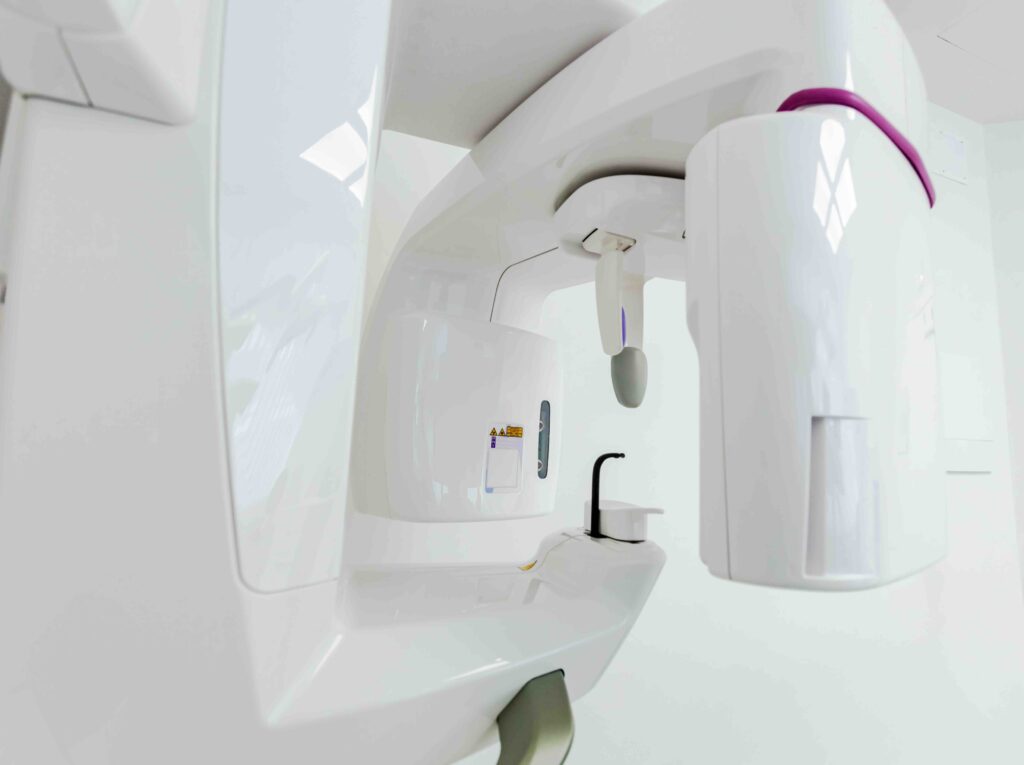
Imaging is central at this stage. Standard dental X-rays give useful information, but for implants, a three-dimensional scan is often recommended because it shows bone width, height, density, and the position of nearby structures such as the maxillary sinus or the inferior alveolar nerve. This is one of the reasons implant treatment can feel more deliberate than getting a filling or crown. The clinician is not just looking at the missing tooth space. They are deciding whether there is enough bone to anchor an implant safely and in a position that will support a natural-looking tooth.
This appointment is also where practical expectations are set. Patients usually want to know two things right away: how long the process will take and whether it will hurt. The honest answer is that treatment length varies. In a simple case, it may take a few months from placement to final restoration. If grafting is needed first, the process can extend to six months or longer. As for discomfort, most patients report that implant surgery is easier than they feared. Dental Implants Anxiety before the appointment is often worse than the soreness afterward.
Determining whether the site is ready
Not every missing tooth site is immediately ready for an implant. When a tooth has been missing for a while, the bone that once supported it can shrink. That is a normal biological response. Bone is maintained by function, and once the root is gone, the body begins to resorb the ridge. Gum contours can also change, which matters even more in the front of the mouth where aesthetics are unforgiving.
A dentist is typically evaluating several things at once:
- Whether there is enough bone volume for secure implant placement
- Whether the gums are healthy and free of active infection
- Whether the bite leaves enough space for the final crown
- Whether adjacent teeth and overall smile line support a good cosmetic result
- Whether habits such as smoking or clenching may raise the risk of complications
That last point deserves attention. An implant is not immune to force simply because it is made from titanium. Natural teeth have a periodontal ligament that provides a bit of cushioning and feedback. Implants do not. If someone clenches heavily at night, the restoration may need thoughtful design, and in many cases a night guard becomes part of protecting the investment.
If a tooth still needs to come out
Some implant cases begin with an extraction. When that happens, one of the first decisions is whether the implant can be placed immediately or whether the site should heal first. Immediate placement can be appealing because it shortens the overall timeline and may help preserve tissue contours, especially in selected front tooth cases. But it is not always the best choice.
If there is active infection, a cracked root with bone loss, thin facial bone, or poor soft tissue conditions, delaying implant placement can be safer and more predictable. A careful clinician will not force immediacy for convenience if the site biology argues against it. This is one of the areas where experience shows. The best implant treatment is not always the fastest one.
After extraction, a bone graft is often placed into the socket to reduce shrinkage. Patients sometimes hear the term “socket preservation.” That does not mean every millimeter of bone is saved, because some remodeling still occurs, but it can make a major difference in preserving the ridge for future implant placement.
Bone grafting, when it is recommended, is often less dramatic than it sounds
Bone grafting can alarm patients because it sounds complex, but in many cases it is a routine adjunct to implant treatment. The purpose is straightforward: to rebuild or preserve enough bone to support an implant in the right position. Grafting materials vary, and the choice depends on the defect, the site, and the clinician’s approach. From the patient’s point of view, what matters most is that grafting usually adds healing time, not necessarily a much harder recovery.
A small socket graft after extraction may involve only mild soreness and very little visible swelling. A larger graft, particularly in the upper back jaw or where ridge augmentation is needed, can involve more downtime. Sinus lift procedures are a good example. When upper molar teeth have been missing for some time, the sinus space can enlarge downward while the bone below becomes thinner. In that setting, a sinus augmentation may be needed to create enough vertical height for an implant. That sounds intimidating, but when properly planned, it is a very common part of implant dentistry.
Patients are sometimes disappointed to learn that grafting can delay the implant itself by several months. It helps to reframe that delay. The extra time is buying better support, better position, and often a better long-term result. Trying to save a few months on the calendar can cost much more if it compromises stability or aesthetics.
The day of implant placement
The actual implant surgery is usually more controlled and less dramatic than people imagine. Local anesthetic is standard, and many patients choose some form of sedation if they are nervous. Once the area is numb, the dentist or surgeon creates a precise opening in the bone and places the implant fixture. In simple cases, the visit can be surprisingly brief. Patients often say the anticipation was worse than the appointment.
What surprises many people is how little they feel during surgery. Pressure and vibration are common sensations, pain should not be. If a patient reports sharp discomfort, more anesthetic is usually needed. Good communication during the procedure matters.
Sometimes a healing cap is placed immediately so the top of the implant extends through the gum. In other cases, the gum is closed over the Dental Implants implant and it heals underneath the tissue. Which approach is used depends on implant stability at the time of placement, tissue management, and the restorative plan.
If the implant is in a visible part of the mouth, there is often a temporary tooth solution so the patient is not left with a noticeable gap. That might be a removable provisional, a bonded temporary, or in selected cases a temporary crown attached to the implant. Not every implant can be loaded with a temporary immediately. It depends on how stable the implant is at placement and whether the temporary can be kept out of functional contact while healing takes place.
What recovery usually feels like
Most patients recover from implant placement with less discomfort than they expected. Mild to moderate soreness, slight bleeding the first day, and swelling that peaks around the second or third day are all typical. Bruising can happen, especially in thinner tissue types or after grafting. The degree of discomfort depends on the complexity of the surgery, the location in the mouth, and how much adjunctive treatment was done at the same time.
A single straightforward implant in healed bone may lead to only a few days of manageable soreness. Multiple implants, extractions plus grafting, or sinus procedures can create a noticeably tougher week. That difference is important because online stories often lump all implant surgery into one category, when in reality the recovery profile can vary widely.
These early days are where good instructions matter. Most implant failures are not caused by one wrong meal or one awkward yawn, but healing tissues do appreciate protection.
- Take medications exactly as prescribed or advised
- Stick to softer foods for the period recommended by your dentist
- Keep the area clean, using any rinse or brushing instructions given
- Avoid smoking or vaping during healing, because both can impair blood supply
- Do not test the implant by chewing hard food on it before you are cleared
That last point sounds obvious, but it comes up often. Patients begin to feel normal and assume the implant is “set.” Feeling fine is not the same as osseointegration being complete.
The quiet stage, when the bone does the real work
After placement comes the least visible stage and one of the most important: osseointegration. This is the biological process in which the bone bonds to the implant surface. It is why dental implants can function as stable replacements for missing roots. It is also why timelines cannot be reduced to a fixed number for everyone.
A lower implant in dense bone may integrate more quickly than an upper implant in softer posterior bone. A healthy non-smoker with excellent oral hygiene may heal differently from someone with uncontrolled periodontal disease or heavy nicotine use. Grafted sites often need more patience than pristine native bone. In many straightforward cases, the healing period before the implant is restored is around three to four months, but longer intervals are not unusual when conditions call for them.
This stage can test patience because there is often very little to “do” other than maintain the site and attend follow-up visits. Patients who like active progress sometimes find this the most frustrating part. Yet biologically, it is the stage that determines whether the final crown will rest on a secure foundation.
Follow-up appointments during healing are usually brief. The clinician checks the tissue, confirms there are no signs of infection or mobility, and makes sure the provisional restoration, if there is one, is not applying harmful pressure. These checks may feel uneventful, which is often a good sign.
When a second minor procedure is needed
If the implant was covered by the gum at placement, a second small appointment may be scheduled to uncover it after the bone has healed. This is sometimes called second-stage surgery. A healing abutment is placed so the gums can shape themselves around the emerging implant. Compared with the initial surgery, this visit is usually simpler and recovery is easier.
Patients are often surprised by how much attention is paid to the soft tissue at this point. That is especially true for front teeth. The final appearance of an implant crown does not depend only on the porcelain. Gum contour, papilla height, and symmetry with the neighboring teeth matter just as much. In the best aesthetic cases, the restoration looks natural because the tissue architecture was respected from the beginning, not because the crown alone is beautiful.
The restorative phase, where precision really shows
Once the implant is stable, the restorative phase begins. This is when impressions or digital scans are taken so the final crown, bridge, or denture component can be made. Patients often think this is the easy finishing step, but from a technical standpoint, it is where small decisions have visible consequences.
The implant needs the correct abutment, the right emergence profile, and a crown that fits the bite without overloading the implant. Shade matching matters, of course, but so does translucency, shape, and how the restoration meets the gumline. A back tooth can tolerate certain aesthetic compromises that would be unacceptable in a central incisor. By contrast, a front tooth may look beautiful but still fail functionally if the bite is too heavy or the implant was not ideally positioned.
This is also where patients should know that “implant crown” is not one single thing. Some crowns are screw-retained, which means they are attached through a small access hole that is later sealed. Others are cement-retained. Each method has pros and cons. Screw-retained crowns are often easier to retrieve for maintenance and avoid excess cement around the implant, which can irritate tissues if not fully removed. Cement-retained options may offer certain aesthetic or positional advantages in some cases. The right choice depends on the implant angle, location, and restorative design.
When the final crown is inserted, the first reaction patients have is often emotional rather than clinical. After months of scans, healing, and temporary solutions, they finally have a fixed tooth again. It can feel anticlimactic in the best way, like returning something that should have been there all along.
What normal function feels like, and what takes getting used to
A successful implant should feel stable and comfortable, but it will not feel identical to a natural tooth. There is no periodontal ligament, so the sensory feedback is different. Patients may notice that the tooth feels firm and solid, but less “alive” than a natural tooth. That is normal.
Chewing confidence usually returns quickly, particularly for back teeth, but front tooth cases can take longer to feel psychologically normal because people become very aware of the appearance and position of those teeth when speaking and smiling. If the implant supports a single crown, adaptation tends to be straightforward. Larger reconstructions, such as implant-supported bridges or full-arch restorations, involve a longer learning curve for speech, cleaning, and bite adaptation.
If the bite feels high, awkward, or too forceful when the final restoration is placed, patients should say so early rather than assuming they just need to “get used to it.” A small occlusal adjustment can make a meaningful difference. Good implant care is not just about placing a fixture in bone. It is about integrating the final tooth into a living bite.
Potential complications, without the drama
No responsible discussion of Dental Implants is complete without acknowledging complications. They are uncommon in well-selected cases, but they do happen. Early problems can include poor initial stability, infection, failure to integrate, or healing disturbances in the soft tissue. Later issues can involve screw loosening, porcelain chipping, bite-related overload, gum recession, or peri-implant disease.
Peri-implantitis deserves special mention because many patients have never heard of it before treatment. It is a destructive inflammatory process around implants, often linked to plaque accumulation and sometimes worsened by a history of gum disease, smoking, or inconsistent maintenance. The idea that implants are “fake teeth” and therefore immune to hygiene neglect is one of the most damaging misunderstandings in dentistry. Implants do not get cavities, but the tissues around them can absolutely break down.
That said, patients should not interpret every minor symptom as a sign of failure. Some tenderness after placement is normal. Temporary sensitivity in nearby teeth can happen after surgery. Healing tissue can look uneven before it settles. Context matters, which is why scheduled reviews are important. Most successful outcomes are not dramatic. They are quiet, steady, and boring in the best possible way.
Long-term maintenance is simpler than many people expect, but it is not optional
Once the final restoration is in place, implant treatment moves from procedure to maintenance. Daily care is not usually complicated. The implant crown must be cleaned thoroughly at the gumline, and if there are bridges or larger prostheses, patients may need floss threaders, interdental brushes, water irrigation, or other tools depending on the design.
Professional maintenance matters too. During recall visits, the dentist or hygienist checks the health of the surrounding tissues, evaluates bite forces, and looks for mechanical issues before they become expensive ones. The cleaning instruments and technique may differ from what is used around natural teeth because implant surfaces and restorations require care.
One pattern that experienced clinicians see often is this: the patients who do best over many years are not necessarily those with the “best” biology at the start. They are the ones who understand that implants need stewardship. A former smoker with disciplined recall habits may keep implants healthy far longer than someone with excellent bone who disappears for four years after treatment.
Why timelines vary more than advertisements suggest
Marketing tends to flatten implant dentistry into a promise of speed, but biology does not read advertisements. Some cases truly can be done quickly. Same-day extraction, implant placement, and a temporary tooth are all possible in selected patients. Those protocols can work very well when the anatomy, infection status, and bite conditions are favorable.
But quick treatment is only good treatment when the case supports it. A thin gum biotype, infection-related bone loss, parafunctional habits, or challenging smile aesthetics may make a slower plan wiser. Patients should not feel discouraged if their treatment is staged over time. Often that is a sign that the clinician is protecting the final outcome instead of chasing a headline timeline.
If you want a useful mental framework, think of implant treatment less like buying a product and more like guiding a healing project through several checkpoints. Diagnosis comes first. Site preparation comes next if needed. Surgical placement follows. Then healing, restoration, and maintenance. Every stage has a purpose, and skipping one rarely saves as much as people hope.
The experience from the patient’s side
From the chairside perspective, the emotional arc of implant treatment is remarkably consistent. At first there is uncertainty, sometimes mixed with embarrassment about the missing tooth or frustration over a failing one. Then comes a planning stage that can feel dense with information. Surgery day brings relief once people realize the procedure is manageable. The long healing phase requires patience. Finally, there is the moment the permanent tooth is fitted and everyday life starts to feel normal again.
That final sense of normalcy is the part that often matters most. Patients stop planning meals around a weak area. They smile without mentally editing themselves. They stop worrying that a removable appliance will shift. Those changes are difficult to measure in a treatment plan, but they are real.
Dental Implants are not magic, and they are not right for every patient in every circumstance. They are, however, one of the most predictable ways to replace missing teeth when diagnosis is careful, surgery is precise, and maintenance is taken seriously. Knowing what each stage involves makes the process less mysterious and helps patients judge progress realistically. Most importantly, it allows you to enter treatment understanding that the goal is not simply to place an implant. The goal is to rebuild function and comfort in a way that lasts.
Oaks Dental
5000 Parkway Calabasas Suite 308
Calabasas, CA 91302, United States
+1 818-431-2000
FAQ About Dental Implants
What is the downside of a dental implant?
Implants require surgery and a healing period that can last several months. Possible complications include infection, nerve or sinus injury, damage to nearby teeth and failure to bond with bone. Your dentist should assess your health, bone support and alternatives before recommending treatment.
What do dental implants typically cost?
There is no single price for every implant case. The number of teeth replaced, implant components, final restoration and any grafting or extractions affect the total. Request a written estimate covering every stage and confirm insurance benefits and out-of-pocket costs with the practice.
How long do tooth implants last?
An implant can provide long-term support and may last a lifetime with good oral hygiene and regular dental care, but this is not guaranteed. The crown or other restoration may need replacement sooner. Smoking, gum disease and some health conditions can reduce implant success.