What to Expect During a Dental Implant Procedure
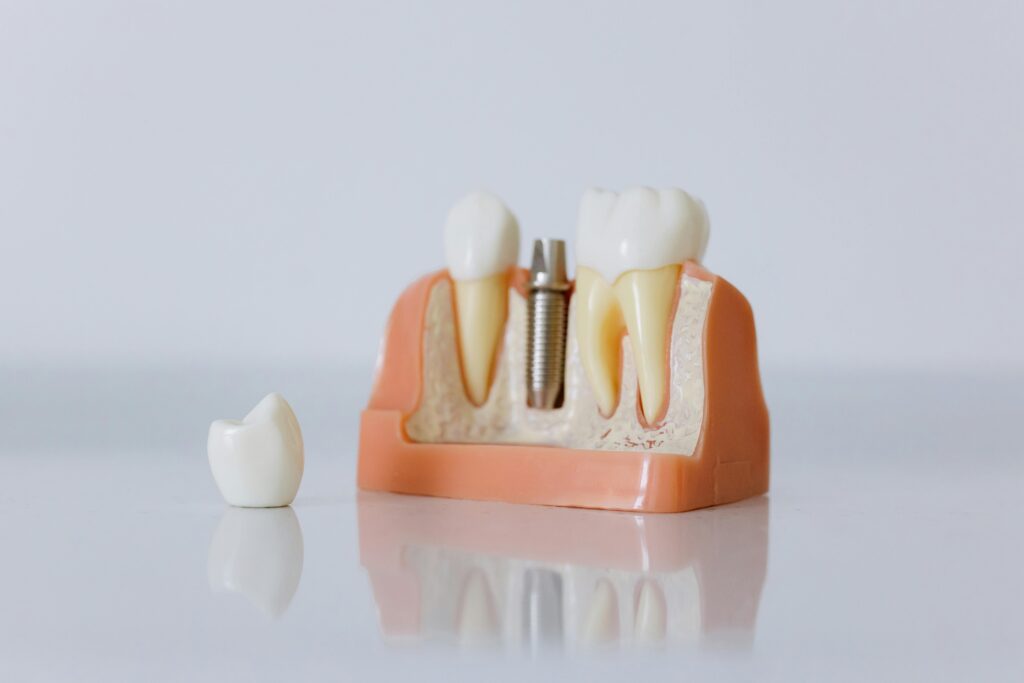
Losing a tooth changes more than a smile. It affects how you chew, how clearly you speak, and, for many people, how comfortable they feel in conversation. Dental Implants have become a dependable way to replace missing teeth because they do something bridges and removable dentures cannot fully do. They replace the root as well as the visible tooth. That small difference matters a great deal in day to day life.
If you are considering an implant, you have probably heard a mix of reassuring success stories and alarming half-truths. Some patients imagine a long, painful ordeal. Others expect a one-visit fix. The reality sits somewhere in the middle. The process is highly structured, usually very manageable, and often spread across several appointments over a few months. Most of the work is careful planning, precise surgery, and allowing the body enough time to heal properly.
What surprises many people is how uneventful most implant visits actually feel. The planning visit is detailed. The surgery is shorter than expected. The recovery is often easier than a difficult tooth extraction. The waiting period, however, requires patience. Dental implants reward people who understand the timeline and follow instructions well.
Why implants are different from other tooth replacements
A dental implant is a small post, usually made of titanium or a titanium alloy, placed into the jawbone where a tooth root used to be. Over time, the bone bonds to the implant surface in a process called osseointegration. Once that bond is stable, the implant can support a crown, a bridge, or even a full arch of teeth, depending on the treatment plan.
That distinction is important because the implant becomes anchored in bone rather than resting on neighboring teeth or gum tissue alone. In practice, that often means better chewing efficiency, less movement, and a more natural feel. It also means the jawbone in that area gets stimulation during function, which helps limit the bone shrinkage that usually follows tooth loss.
Not every patient is an instant candidate, and not every missing tooth needs the same solution. A healthy 28 year old who lost a front tooth in a sports accident presents very differently from a 72 year old with long term gum disease and several missing back teeth. The implant process is tailored to the condition of the bone, the health of the gums, bite forces, medical history, and esthetic demands.
The first consultation, where most of the real decision-making happens
The consultation is not a formality. It Dental Implants is where a good outcome is built. Your dentist or oral surgeon will review your medical history, examine your mouth, and usually take imaging. In many practices, that includes a 3D cone beam scan, which shows bone height, width, and the exact location of nearby structures like the maxillary sinus or the nerve in the lower jaw.
Patients often come in focused on one question, “Can I get an implant?” The better question is, “Can I get an implant that will be stable, functional, and attractive for years?” Those are not always the same thing. Adequate bone volume, healthy gums, good home care, and controlled medical conditions matter more than enthusiasm.
This visit is also when timing becomes clearer. Sometimes an implant can be placed the same day a tooth is removed. Sometimes the site needs months of healing first. If there has been infection, major bone loss, or a fracture extending below the gumline, immediate placement may not be wise. In other cases, particularly with front teeth, immediate placement can preserve tissue contours beautifully when the case is selected well.
Your clinician may discuss related procedures such as bone grafting, sinus augmentation, or gum grafting. These are not signs that treatment is going poorly. They are often what make long term success possible. A common misunderstanding is that grafting means something went wrong. More often, it means the team is planning carefully rather than forcing an implant into less than ideal anatomy.
Planning the case, size, position, and bite all matter
Implants are not placed wherever there happens to be bone. They are ideally placed where the final tooth needs to be, then supported with enough bone and healthy soft tissue around them. That may sound obvious, but it is where many compromised results begin. A crown can only look and function natural if the implant beneath it is in the right position and angle.
In straightforward cases, planning may be relatively simple. In more complex situations, especially in the esthetic zone or when replacing multiple teeth, the team may use digital planning software and a surgical guide. These tools help translate the planned tooth position into precise implant placement during surgery.
Bite forces also deserve attention. A patient who clenches or grinds at night places very different demands on an implant than someone with a lighter bite. Back teeth absorb heavy force. Front teeth are more visible, so gum shape and symmetry become especially important. In daily practice, those trade-offs drive many treatment decisions.
Getting ready for the procedure
Preparation is usually simple, but it should not be casual. Most patients can eat beforehand if they are having local anesthesia alone. If intravenous sedation is planned, fasting instructions may apply. Medications are reviewed in advance, especially blood thinners, diabetes medications, and drugs that affect bone metabolism. Smokers are routinely advised to cut down or stop, because smoking raises the risk of healing problems and implant failure.
A practical point that is often overlooked is transportation. If sedation is involved, arrange a ride and expect to take the rest of the day off. If treatment is limited and done with local anesthetic only, some patients feel well enough to return to desk work later that day, though many prefer to keep the schedule light.
Here is what most clinicians ask patients to handle before the surgical appointment:
- Follow eating, drinking, and medication instructions exactly, especially if sedation is planned.
- Have soft foods, ice packs, and any prescribed medicines ready at home.
- Wear comfortable clothing and avoid packing the day with meetings or errands.
- Ask questions beforehand rather than waiting until you are already in the chair.
That last point matters. Anxiety tends to rise when people imagine vague worst-case scenarios. It usually falls when they understand the actual sequence of events.
What happens on the day of implant surgery
The procedure itself is usually more methodical than dramatic. Once you are numb, the area is prepared and the surgeon accesses the bone through the gum tissue. In some cases this involves a small incision with the gum gently reflected. In select situations, a tissue punch can be used. A series of instruments is then used to prepare the site to a precise depth and width. The implant is inserted into that prepared space and checked for stability.
If the implant is stable and the situation allows, a healing cap may be attached right away so the gum can heal around it. In other cases, a cover screw is placed and the gum is closed over the implant during the healing phase. If a bone graft is needed around the implant, or if the bone is thin, graft material and a membrane may be added before the site is sutured.
For a single uncomplicated implant, the surgical time can be surprisingly short. Many procedures take less than an hour from start to finish, though the appointment may be longer due to preparation, imaging review, and post-operative instructions. Multiple implants, extractions combined with implant placement, or grafting can extend that time significantly.
Pain during the procedure should be minimal if anesthesia is effective. Pressure, vibration, and sound are more common than pain. Patients often describe it as strange rather than sharp. If you feel pain, that is something to mention immediately. Good teams expect communication and adjust anesthesia as needed.
Sedation, numbness, and what the experience feels like
This is one of the most common concerns, and for good reason. People rarely fear the implant itself. They fear feeling it happen.
Many implant procedures are comfortably done under local anesthesia alone, much like a filling or extraction. For anxious patients, oral sedation or intravenous sedation may be offered. The right choice depends on the complexity of the case, the patient’s medical history, and their comfort level. Sedation can make the experience feel much shorter and less memorable, but it also adds planning, monitoring, and recovery requirements.
A useful comparison from clinical experience is this: patients often report that the anticipation was worse than the surgery. The numbness phase is familiar. The pressure feels odd, especially when instruments are preparing the bone, but it is generally not painful. The first evening afterward is often more telling than the procedure itself, because that is when soreness, swelling, and the reality of post-op care begin.
If a tooth is removed at the same visit
Sometimes a damaged tooth is extracted and an implant is placed immediately into the fresh socket. This can reduce the number of surgeries and may help preserve bone and gum contours, particularly in visible areas. But immediate placement is not a shortcut that works for every case.
The extracted site must be evaluated carefully. Infection, missing bone walls, or poor soft tissue quality may make delayed placement the safer choice. Even when an immediate implant is placed, there may still be a gap between the implant and socket wall that needs grafting. And a temporary tooth placed that day is not always meant for full biting pressure. Patients occasionally assume that a same-day temporary means the implant is fully healed. It does not. It simply means the site can be restored in a controlled way while healing occurs underneath.
The healing phase, where patience pays off
Healing is the least glamorous part of the process, but it is where the treatment succeeds or fails. Bone needs time to bond to the implant. In many cases, this takes roughly three to six months, though actual timing varies by bone quality, implant stability, location in the mouth, whether grafting was done, and overall health.
During the first few days, the common issues are swelling, mild bleeding or oozing, and soreness when the anesthesia wears off. Most patients manage well with a combination of prescribed medication or over the counter pain relief, depending on the case. Soft foods are usually advised at first. Chewing directly on the surgical area may be restricted, particularly if the implant had only moderate initial stability or if grafting was extensive.
A typical recovery pattern looks like this:
- The first 24 hours are usually the most awkward, with numbness fading, minor bleeding, and swelling beginning.
- Days two and three often bring peak swelling and stiffness, which can feel worse before it starts improving.
- By the end of the first week, many patients feel mostly back to normal, though the site is still healing.
- The deeper bone healing continues quietly for weeks or months after the gum looks fine.
- The implant is usually tested or uncovered for the next stage only after adequate integration is expected.
This difference between surface healing and bone healing is important. The gums can look perfectly settled long before the implant is ready to carry full biting force.
When the implant is not ready for the final tooth yet
In some cases, a temporary restoration is used during healing. This is common in the front of the mouth, where appearance matters, but it must be managed carefully. A temporary can shape the gum and maintain esthetics, but if it is overloaded too early, it can jeopardize the implant.
There are also cases where the implant is placed, heals under the gums, and then requires a second minor procedure to expose it and place a healing abutment. Patients are sometimes disappointed to hear they need “another surgery,” but this second stage is often brief and far easier than the initial placement.
One of the clearest signs of a well-managed implant case is restraint. Good clinicians do not rush to the crown simply because the calendar says enough time has passed. They assess stability, tissue health, and radiographic appearance. If healing needs a little longer, waiting is usually the wiser move.
Placing the abutment and final crown
Once the implant has integrated, attention shifts from surgery to restoration. The abutment is the connector between the implant and the final crown. An impression or digital scan is taken so the laboratory can fabricate a crown that fits the bite, contacts adjacent teeth correctly, and matches the surrounding teeth in shape and shade.
For front teeth, this stage can involve fine adjustments to the contour of the temporary or the emergence profile of the crown to support a natural gum shape. For back teeth, function tends to take precedence, though esthetics still matter. The crown is either screwed into place or cemented, depending on the design. Each approach has advantages, and the decision often comes down to retrievability, angulation, and the specifics of the case.
The first time patients bite on a completed implant crown, the reaction is often subtle. They do not always say, “This feels amazing.” More commonly they say, “It feels like a tooth again.” That is usually the goal.
What recovery feels like in real life
Patients often want to know whether they can work the next day, exercise that week, or attend a social event that weekend. The truthful answer is that recovery varies, but there are patterns.
A single implant in dense bone with no grafting may produce little more than modest soreness. A front tooth extraction with immediate implant placement and contour grafting can lead to visible swelling and bruising for several days. Multiple implants or extensive grafting understandably cause more downtime. If the upper back jaw is involved and a sinus lift was performed, pressure and congestion may join the usual surgical soreness.
Most people are functional within a day or two, but that is not the same as being comfortable enough to forget about the procedure. Eating can be inconvenient for a while. Brushing around the area takes care. Sleeping slightly elevated the first night or two may help with swelling. A high-energy workout too soon can increase throbbing and bleeding. These are not major hardships, but they are worth planning around.
Risks and complications, without sugarcoating them
Dental implants have a strong track record, but they are not immune to problems. Early failure can occur if the implant does not integrate. This may be related to infection, poor bone quality, excessive movement during healing, smoking, uncontrolled diabetes, or other factors. Late problems can include bone loss around the implant, loose screws, chipping of the crown, gum recession, or inflammation caused by plaque buildup.
Location matters. The upper back jaw often has softer bone and sits close to the sinus. The lower back jaw sits near an important nerve. The front of the mouth demands precise esthetics, where even a small discrepancy in gum shape can be very noticeable. Experience and planning reduce these risks, but they do not erase them.
One of the more frustrating complications is not outright failure, but a result that survives without truly satisfying. The implant may be stable, yet the crown traps food, the gum line looks uneven, or the bite feels off. That is why case planning and restoration quality matter as much as the surgery itself.
Who may need extra steps before or during treatment
Some patients move straight to implant placement. Others need groundwork first. Periodontal disease may need control. Old infection may need to resolve. Bone may need to be rebuilt. A night guard may be recommended for clenching. Medical conditions may need better stabilization.
This is especially true for people who have worn dentures for many years. Long term tooth loss often leads to significant bone resorption. Those patients can still be good candidates for implants, but the path may include grafting, staged treatment, or a different prosthetic design than they initially expected.
Age by itself is less important than health and healing capacity. Plenty of older adults do very well with implants. On the other hand, younger patients whose jaws are still growing may need to wait, especially for implants in visible areas where future growth could leave the implant looking out of position.
Long-term care after the procedure
An implant cannot get a cavity, but it absolutely can develop inflammatory problems if plaque accumulates around it. The surrounding bone and gum tissue still need protection. Daily cleaning matters. So do routine maintenance visits, professional exams, and periodic imaging when indicated.
Patients sometimes assume an implant is a permanent, maintenance-free replacement. That idea causes trouble. An implant is durable, but it is still a precision restoration in a biologic environment. The crown may eventually wear. The gum can become inflamed. The bite can change over time. A patient who keeps regular dental visits and cleans meticulously around the implant usually has a much smoother long-term course.
If you grind your teeth, a night guard is often money well spent. If you smoke, reducing or quitting improves the odds not only during healing, but for years afterward. If bleeding starts around an implant when brushing, that is not something to ignore. Early inflammation is easier to reverse than advanced bone loss.
What most patients are glad they knew beforehand
The people who handle implant treatment best are rarely the ones who expect a miracle. They are the ones who understand the sequence. There is evaluation, surgery, healing, restoration, and maintenance. Each stage matters. Each stage can be smooth when expectations are realistic.
The procedure itself is usually less intimidating than people fear. The timeline is usually longer than people hope. And the final result, when well planned and properly maintained, can feel remarkably ordinary in the best possible sense. You eat, speak, smile, and stop thinking about the missing tooth.
That is often the strongest endorsement of Dental Implants. At their best, they do not call attention to themselves. They simply restore what was missing, quietly and reliably, one well-managed step at a time.
Oaks Dental
5000 Parkway Calabasas Suite 308
Calabasas, CA 91302, United States
+1 818-431-2000
FAQ About Dental Implants
What is the downside of a dental implant?
Implants require surgery and a healing period that can last several months. Possible complications include infection, nerve or sinus injury, damage to nearby teeth and failure to bond with bone. Your dentist should assess your health, bone support and alternatives before recommending treatment.
What do dental implants typically cost?
There is no single price for every implant case. The number of teeth replaced, implant components, final restoration and any grafting or extractions affect the total. Request a written estimate covering every stage and confirm insurance benefits and out-of-pocket costs with the practice.
How long do tooth implants last?
An implant can provide long-term support and may last a lifetime with good oral hygiene and regular dental care, but this is not guaranteed. The crown or other restoration may need replacement sooner. Smoking, gum disease and some health conditions can reduce implant success.